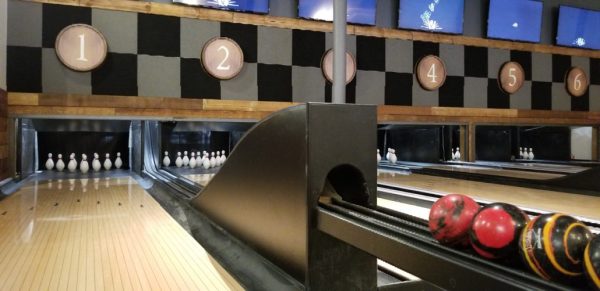
December 6, 2019, presented a major milestone, yet almost nobody noticed. On that Friday, the latest Pins Mechanical opened in Charlotte, NC, and the number of “social duckpin” lanes finally overtook regulation lanes. Is there a place for regulation duckpin bowling in the future?
By Spring 2020, the number of short-style lanes, often referred to as “social duckpin”, will far outnumber regulation lanes in the USA. They are located in major population centers across the country, within a 10-minute ride of 46% of the population and within a 20-minute ride of 61% of the population. These new owners have really done their homework and preparation. Each month sees more announcements of these new “social” venues and so-called duckpin centers.
So far, we have only seen minor “encroachment” into traditional duckpin areas. There is a location in Norfolk and another in Northern Virginia that are somewhat near to regulation duckpin centers. The most notable business is Ropewalk Tavern in Baltimore’s Federal Hill community, in the very heart of “duckpin country”. Having just opened, we don’t yet have a feel for its popularity, but its sister location on the DelMarVa shore seems to be doing well with its handful of lanes.
Short-style duckpin is championed by Infinity Bowl and US Bowling as a way to put lanes into smaller venues. They take approximately one-third of the space, so at high cost-per-square-foot of most retail real estate, that represents a substantial cost saving over the regulation lanes. Using string machines, they require little maintenance and most venues can have a bartender, busser, or janitor handle any issues that arise. Many of the bar/arcade operators don’t even charge for the bowling as they see it as a loss-leader to sell more profitable beer and cocktails. Those that do charge often put in scoring systems that allow patrons to pay at the lane, just like an arcade game. It works.
It works so well that PunchBowl Social recently received a $250 Million influx of cash from Cracker Barrel Restaurants, along with an option to be fully acquired. Cracker Barrel is fully integrating PunchBowl into its operations and they see the effort as its key to substantial future growth. Before the investment, PunchBowl had plans for three additional locations; now that has been increased to 27. All are planned to open within the next 18 months.
These games aren’t new. They have been available in some form for almost 20 years. There are even arcade versions with 5-ft lanes going back to 2004. The few places they were seen commented that the duckpin balls kept disappearing. Arcade owners prefer everything to be tethered down in some way so they can operate without attendants. What is new is the automation and use of low-cost materials and maintenance-free equipment (mostly).
What is a traditional duckpin center operator/proprietor to do about this transfiguration of their beloved game? As these businesses expand into more traditional duckpin bowling areas, do revenue-generators like Rock-N-Bowl and Moonlight Bowling stand a chance? How is the National Duckpin Bowling Congress responding to all of this? What do bowlers think?
There are many questions, and no answers are forthcoming. Will the NDBC, the duckpin proprietors, and the duckpin community just bury its head in the sand as it did during the early 1990’s when the sport experienced a great reduction in bowlers? Those in or around the industry dismiss the newcomer, declaring it not worth the time. Many bowlers refuse to refer to it as “duckpin bowling”.
The owners of these new businesses do not seem the least bit interested in working with others in the duckpin industry — they are bar people, not bowling proprietors. They are happy to sit back and watch their bank accounts grow and grow while customers crowd into their bars, their bowling centers, or their social clubs.
 Duckpin World